Posted on

Telegram Web Version for Beginners: The Definitive Guide to Seamless Communication in 2026

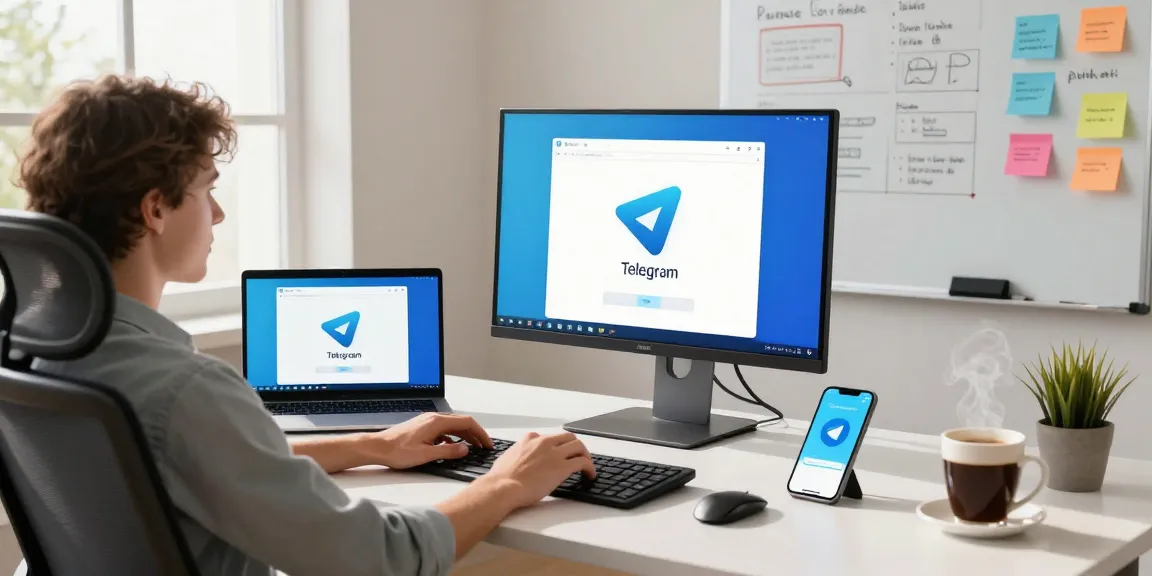
Using the Telegram Web Version in a modern workspace with devices and tech elements enhancing productivity.

Understanding the Telegram Web Version

Telegram Web has emerged as a powerful tool for users who prefer accessing their messages and files directly through a browser. Unlike mobile applications that require installation, Telegram Web offers flexibility and ease, allowing users to communicate seamlessly across devices. The growth of remote work and the need for on-the-go access to communication tools have further elevated the importance of web-based messaging solutions. When exploring options, Telegram网页版 provides comprehensive insights into accessing your Telegram account without the need for additional software installations.

What is Telegram Web?

Telegram Web is the browser-based platform of Telegram, a cloud-centric messaging application well-known for its emphasis on security and speed. Designed to offer the same communication capabilities as its mobile counterpart, Telegram Web enables users to send messages, share files, and join group chats directly through any modern web browser such as Chrome, Firefox, Safari, and Edge. This service is particularly useful for those who may not want to download the mobile app on their devices or need quick access from shared computers.

Key Features of Telegram Web Version

  • Instant Messaging: Send and receive messages in real time, enjoying the same user interface as the mobile app.
  • File Sharing: Effortlessly share files up to 2 GB in size, including images, videos, and documents.
  • Group Chats: Participate in large group chats featuring up to 200,000 members, all managed easily through the web interface.
  • Channels: Subscribe to channels for updates from various sources, including news outlets and content creators.
  • Cross-Device Synchronization: Ensure that your messages are synced across all devices, allowing you to start a conversation on one and continue it on another.

Benefits of Using Telegram Web Over Mobile Apps

Using Telegram Web comes with a multitude of benefits that enhance the overall user experience:

  • No Installation Required: Users can access their messages directly from a web browser without needing to download any software.
  • Easy Access on Shared Devices: Ideal for use on public or shared computers, where installing personal applications may not be feasible.
  • Seamless Multi-Device Experience: The ability to switch between devices without losing messages or context is a significant advantage for those who work across multiple platforms.
  • Enhanced Visibility: The larger screen size of a computer allows for better visibility and easier navigation through chats and files.

Setting Up and Accessing Telegram Web Version

Step-by-Step Guide to Log In to Telegram Web

Getting started with Telegram Web is straightforward. Follow these simple steps to log in:

  1. Open your preferred web browser and visit the official Telegram Web site.
  2. Click on the “Start Messaging” option on the homepage.
  3. Enter your phone number associated with your Telegram account.
  4. Check your connected mobile device for a login code sent via Telegram.
  5. Input the code into the web interface to complete the login process.

How to Sync Your Telegram Account Across Devices

Synchronization is at the heart of Telegram’s functionality. Once you log in to Telegram Web, your messages, contacts, and files sync automatically from the mobile app. Any changes you make—like sending a new message or updating your profile—are reflected across all connected devices in real time. This ensures that you maintain continuity in your communications, regardless of the device you are using.

Common Issues When Accessing Telegram Web and Their Solutions

While Telegram Web is generally reliable, users may occasionally face issues. Here are some common problems and solutions:

  • Login Problems: Ensure that your phone is connected to the internet to receive the login code.
  • Slow Performance: Clear your browser cache or switch to a different browser for an improved experience.
  • File Upload Issues: Check your internet connection and try refreshing the page if uploads are failing.

Exploring Features of Telegram Web Version

Using Telegram Web for Messaging and File Sharing

Telegram Web functions similarly to its mobile application, with chat features that include text messages, multimedia sharing, and more. Users can drag and drop files into the chat window or use the attachment icon to upload documents, images, or videos. This seamless file-sharing capability makes it an excellent tool for collaboration and communication.

Group Chats and Channels: How to Manage Them on Web

Managing group chats and channels on Telegram Web is intuitive. Users can easily create new groups, add members, and set group permissions directly within the web interface. Channels can also be accessed, allowing users to view updates from their favorite sources without the clutter of direct messages.

Text Formatting and Emoji Usage in Telegram Web Version

Telegram Web supports various text formatting options, such as bold, italics, and code blocks. Users can format their messages using simple Markdown-like syntax, making communication clearer and more engaging. Additionally, a wide array of emojis is available through a dedicated emoji picker, enhancing the expressiveness of messages.

Security and Privacy Measures on Telegram Web Version

Understanding End-to-End Encryption in Telegram Web

Telegram employs end-to-end encryption for its secret chats, ensuring that only the sender and recipient can read the messages. However, standard chats on Telegram Web and regular chats do not use end-to-end encryption, so it’s crucial to understand the distinction when discussing sensitive information.

Managing Privacy Settings for Enhanced Security

Users can customize their privacy settings directly from Telegram Web, controlling who can see their last seen status, profile picture, and phone number. Regularly reviewing these settings is a good practice to enhance personal security.

Tips to Keep Your Account Safe While Using Telegram Web

To safeguard your Telegram Web account, consider the following tips:

  • Always log out from public or shared computers.
  • Enable two-step verification on your account to add an extra layer of security.
  • Monitor active sessions through your device settings and log out of any unfamiliar sessions.

Future Trends for Telegram Web Version in 2026

Anticipated Features and Enhancements for Telegram Web

As technology evolves, so do user expectations. Upcoming enhancements to Telegram Web may include advanced file management options, integration with third-party applications, and improved collaborative tools to facilitate remote work. These developments aim to make Telegram Web a more robust platform for all users.

How Telegram Web Will Adapt to User Needs in Future

With the increasing demand for remote communication tools, Telegram Web is expected to incorporate features that cater to diverse user workflows. Flexibility, usability, and security will likely guide future updates to enhance the platform’s appeal.

Impact of Emerging Technologies on Telegram Web Usability

Emerging technologies such as artificial intelligence and machine learning are likely to influence how Telegram Web interacts with users. Expect features like smart replies, automated chat organization, and user behavior analysis to optimize the user experience and streamline communication tasks.

What devices support the Telegram Web Version?

Telegram Web supports any device with a web browser, making it compatible with desktop computers, laptops, and even certain tablets. As long as users have internet access, they can utilize Telegram Web from various operating systems, including Windows, macOS, and Linux.

Can I use Telegram Web without a smartphone?

While Telegram Web requires an initial registration through a mobile device, users can continue accessing their account via the web platform without needing their smartphone for ongoing use. However, for logging in, having access to the mobile application is essential.

Is there a difference between Telegram Web and the desktop app?

Yes, there are some differences. While both platforms allow messaging and file sharing, the desktop app often provides additional features like saving conversations locally and allowing for direct file access from the system. However, Telegram Web is advantageous for quick access without installation.

What are the limitations of using Telegram Web Version?

Users should be aware that Telegram Web has certain limitations. For instance, it does not support secret chats and lacks some of the advanced features found in the mobile and desktop applications, such as voice and video calls.

How secure is Telegram Web compared to other messaging platforms?

Telegram Web offers robust security features, including two-step verification and the ability to manage privacy settings. However, compared to end-to-end encrypted messaging platforms, it may be less secure for sensitive information due to the absence of end-to-end encryption for standard chats. It is crucial for users to remain vigilant and understand the security implications of using the web version.


Posted on

Advancements in Computer Electronics: Impacts on Industry Standards

Computers Electronics and Technology

Leveraging AI for Enhanced Decision Making

Artificial Intelligence (AI) has transcended the realm of buzzwords, establishing itself as a cornerstone of modern technology solutions. For experienced professionals in decision-making roles, harnessing AI effectively can lead to transformative changes in operational efficiency and strategic foresight.

Integrating AI into Business Intelligence

Integrating AI with Business Intelligence (BI) tools enables organizations to glean actionable insights from vast data pools. By employing machine learning algorithms, companies can improve predictive analytics, enhancing their ability to foresee market trends. For instance, a leading retail chain utilized AI-driven analytics to anticipate consumer purchasing patterns, resulting in a 25% increase in sales during seasonal promotions.

Risk Management and AI

AI’s capabilities in risk management are unparalleled. Advanced algorithms can analyze historical data and identify potential risks, allowing organizations to implement mitigation strategies proactively. In the financial sector, a major investment firm employed AI to assess credit risk, which led to a reduction in default rates by 15%. This demonstrates AI’s utility in not only identifying risks but also optimizing decision-making frameworks.

Ethical Implications of AI in Decision Making

The ethical implications of AI cannot be overlooked. Decision-makers must ensure that AI applications are free from bias and that data privacy is maintained. A case study on a tech giant revealed that unmonitored AI systems can exacerbate bias in hiring practices. Implementing robust ethical frameworks and regular audits of AI systems can prevent such pitfalls, ensuring fair and equitable decision-making processes.

Developing Advanced Cybersecurity Protocols

As cyber threats evolve, so too must the strategies organizations employ to protect their digital assets. Advanced cybersecurity protocols are not merely about defense; they require a dynamic approach that includes threat intelligence, adaptive security measures, and a culture of awareness across all levels of the organization.

Proactive Threat Intelligence

A proactive approach to threat intelligence involves not only monitoring existing threats but also predicting potential future attacks. Organizations can benefit from subscribing to threat intelligence feeds that provide real-time data on emerging vulnerabilities. A prominent healthcare provider implemented such a system and was able to thwart a ransomware attack by acting on early warning alerts, showcasing the necessity of being ahead of the curve.

Adaptive Security Architectures

Adaptive security architectures utilize machine learning to adjust security protocols based on evolving threats. This approach allows for continuous monitoring and real-time responses to anomalies. For example, a financial institution shifted to an adaptive security model that reduced incident response time by 50%, illustrating the tangible benefits of a flexible security framework.

Building a Security-Aware Culture

Creating a culture of cybersecurity awareness is imperative for any organization. Regular training sessions and simulations can prepare employees to recognize and respond to potential threats effectively. A case study from a multinational corporation showed that comprehensive employee training reduced phishing incident rates by over 70%, emphasizing the role of human factors in cybersecurity.

The Internet of Things: Strategic Implementation

The Internet of Things (IoT) is revolutionizing industries through interconnected devices and data exchange, enabling enhanced operational efficiency, predictive maintenance, and customer engagement. For decision-makers, the strategic implementation of IoT can yield substantial competitive advantages.

Optimizing Supply Chain Management with IoT

IoT applications in supply chain management allow for real-time tracking and monitoring of assets. By using connected sensors, organizations can optimize inventory levels and reduce costs. A notable example is a global logistics company that reduced delivery times by 30% through IoT-enabled tracking systems, demonstrating significant improvements in efficiency and customer satisfaction.

Predictive Maintenance: A Case Study

Implementing IoT for predictive maintenance can drastically lower operational costs and increase equipment uptime. An automotive manufacturer adopted IoT solutions that monitored machine performance, leading to a 40% reduction in downtime. This proactive maintenance strategy not only saved costs but also improved production efficiency, illustrating the financial benefits of IoT integration.

Enhancing Customer Engagement Through IoT

IoT devices can be leveraged to enhance customer engagement by delivering personalized experiences. For example, a smart home company used IoT to analyze customer usage patterns, allowing them to tailor product recommendations effectively. The result was a 20% increase in customer retention rates, highlighting IoT’s potential in transforming customer interactions into data-driven strategies.

Cloud Computing: Advanced Strategies for Scalability

Cloud computing remains a pivotal aspect of modern IT strategies, offering unprecedented scalability and flexibility. However, leveraging cloud infrastructure effectively requires advanced knowledge and strategic foresight to maximize its potential.

Multi-Cloud Strategies for Business Resilience

Employing a multi-cloud strategy allows organizations to avoid vendor lock-in and enhance business resilience. By diversifying cloud service providers, companies can ensure operational continuity even when one provider experiences outages. A financial services firm demonstrated this approach by distributing its applications across multiple cloud environments, achieving a 99.99% uptime across services.

Cost Optimization Techniques in the Cloud

Cost management in cloud environments necessitates a keen understanding of pricing structures and usage patterns. Implementing tools that provide visibility into cloud expenditures enables organizations to identify waste and optimize resources. For instance, a tech startup utilized cloud cost management tools that resulted in a 30% reduction in monthly cloud spend, enhancing their budget sustainability.

Enhancing Security in Cloud Deployments

Security in cloud deployments continues to be a top concern for decision-makers. Implementing a zero-trust security model can fortify cloud infrastructures against potential threats. A prominent e-commerce platform adopted a zero-trust approach, resulting in a 50% decrease in security incidents. This case illustrates the critical need for robust security measures in cloud environments, reinforcing the importance of a proactive security posture.

Emerging Technologies: Preparing for the Future

The landscape of technology is ever-evolving, and staying ahead of emerging technologies is crucial for maintaining a competitive edge. Decision-makers must not only be aware of these trends but also understand their implications and potential applications within their industries.

Blockchain Beyond Cryptocurrency

Blockchain technology is increasingly being recognized for applications beyond cryptocurrency, including supply chain transparency, secure transactions, and identity verification. A major food distributor implemented blockchain to trace the origins of its products, resulting in enhanced transparency and a 30% reduction in supply chain disputes. This exemplifies how blockchain can revolutionize traditional processes.

Quantum Computing: A Paradigm Shift

Quantum computing holds the potential to solve complex problems unmanageable by classical computers. While still in its infancy, organizations must prepare by investing in quantum research and partnerships. A leading technology firm has established a quantum computing lab, positioning itself to harness future breakthroughs that could redefine computational capabilities.

5G Technology: Expanding Possibilities

5G technology is set to impact various sectors by providing higher speeds and lower latency. This enhanced connectivity can enable advancements in IoT, autonomous vehicles, and smart cities. A major telecommunications provider reported a 50% increase in connected device efficiency after deploying 5G, showcasing the transformative potential of this technology across industries.

Posted on

Advancements in Computer Electronics: Impacts on Industry Standards

Computers Electronics and Technology

Leveraging AI for Enhanced Decision Making

Artificial Intelligence (AI) has transcended the realm of buzzwords, establishing itself as a cornerstone of modern technology solutions. For experienced professionals in decision-making roles, harnessing AI effectively can lead to transformative changes in operational efficiency and strategic foresight.

Integrating AI into Business Intelligence

Integrating AI with Business Intelligence (BI) tools enables organizations to glean actionable insights from vast data pools. By employing machine learning algorithms, companies can improve predictive analytics, enhancing their ability to foresee market trends. For instance, a leading retail chain utilized AI-driven analytics to anticipate consumer purchasing patterns, resulting in a 25% increase in sales during seasonal promotions.

Risk Management and AI

AI’s capabilities in risk management are unparalleled. Advanced algorithms can analyze historical data and identify potential risks, allowing organizations to implement mitigation strategies proactively. In the financial sector, a major investment firm employed AI to assess credit risk, which led to a reduction in default rates by 15%. This demonstrates AI’s utility in not only identifying risks but also optimizing decision-making frameworks.

Ethical Implications of AI in Decision Making

The ethical implications of AI cannot be overlooked. Decision-makers must ensure that AI applications are free from bias and that data privacy is maintained. A case study on a tech giant revealed that unmonitored AI systems can exacerbate bias in hiring practices. Implementing robust ethical frameworks and regular audits of AI systems can prevent such pitfalls, ensuring fair and equitable decision-making processes.

Developing Advanced Cybersecurity Protocols

As cyber threats evolve, so too must the strategies organizations employ to protect their digital assets. Advanced cybersecurity protocols are not merely about defense; they require a dynamic approach that includes threat intelligence, adaptive security measures, and a culture of awareness across all levels of the organization.

Proactive Threat Intelligence

A proactive approach to threat intelligence involves not only monitoring existing threats but also predicting potential future attacks. Organizations can benefit from subscribing to threat intelligence feeds that provide real-time data on emerging vulnerabilities. A prominent healthcare provider implemented such a system and was able to thwart a ransomware attack by acting on early warning alerts, showcasing the necessity of being ahead of the curve.

Adaptive Security Architectures

Adaptive security architectures utilize machine learning to adjust security protocols based on evolving threats. This approach allows for continuous monitoring and real-time responses to anomalies. For example, a financial institution shifted to an adaptive security model that reduced incident response time by 50%, illustrating the tangible benefits of a flexible security framework.

Building a Security-Aware Culture

Creating a culture of cybersecurity awareness is imperative for any organization. Regular training sessions and simulations can prepare employees to recognize and respond to potential threats effectively. A case study from a multinational corporation showed that comprehensive employee training reduced phishing incident rates by over 70%, emphasizing the role of human factors in cybersecurity.

The Internet of Things: Strategic Implementation

The Internet of Things (IoT) is revolutionizing industries through interconnected devices and data exchange, enabling enhanced operational efficiency, predictive maintenance, and customer engagement. For decision-makers, the strategic implementation of IoT can yield substantial competitive advantages.

Optimizing Supply Chain Management with IoT

IoT applications in supply chain management allow for real-time tracking and monitoring of assets. By using connected sensors, organizations can optimize inventory levels and reduce costs. A notable example is a global logistics company that reduced delivery times by 30% through IoT-enabled tracking systems, demonstrating significant improvements in efficiency and customer satisfaction.

Predictive Maintenance: A Case Study

Implementing IoT for predictive maintenance can drastically lower operational costs and increase equipment uptime. An automotive manufacturer adopted IoT solutions that monitored machine performance, leading to a 40% reduction in downtime. This proactive maintenance strategy not only saved costs but also improved production efficiency, illustrating the financial benefits of IoT integration.

Enhancing Customer Engagement Through IoT

IoT devices can be leveraged to enhance customer engagement by delivering personalized experiences. For example, a smart home company used IoT to analyze customer usage patterns, allowing them to tailor product recommendations effectively. The result was a 20% increase in customer retention rates, highlighting IoT’s potential in transforming customer interactions into data-driven strategies.

Cloud Computing: Advanced Strategies for Scalability

Cloud computing remains a pivotal aspect of modern IT strategies, offering unprecedented scalability and flexibility. However, leveraging cloud infrastructure effectively requires advanced knowledge and strategic foresight to maximize its potential.

Multi-Cloud Strategies for Business Resilience

Employing a multi-cloud strategy allows organizations to avoid vendor lock-in and enhance business resilience. By diversifying cloud service providers, companies can ensure operational continuity even when one provider experiences outages. A financial services firm demonstrated this approach by distributing its applications across multiple cloud environments, achieving a 99.99% uptime across services.

Cost Optimization Techniques in the Cloud

Cost management in cloud environments necessitates a keen understanding of pricing structures and usage patterns. Implementing tools that provide visibility into cloud expenditures enables organizations to identify waste and optimize resources. For instance, a tech startup utilized cloud cost management tools that resulted in a 30% reduction in monthly cloud spend, enhancing their budget sustainability.

Enhancing Security in Cloud Deployments

Security in cloud deployments continues to be a top concern for decision-makers. Implementing a zero-trust security model can fortify cloud infrastructures against potential threats. A prominent e-commerce platform adopted a zero-trust approach, resulting in a 50% decrease in security incidents. This case illustrates the critical need for robust security measures in cloud environments, reinforcing the importance of a proactive security posture.

Emerging Technologies: Preparing for the Future

The landscape of technology is ever-evolving, and staying ahead of emerging technologies is crucial for maintaining a competitive edge. Decision-makers must not only be aware of these trends but also understand their implications and potential applications within their industries.

Blockchain Beyond Cryptocurrency

Blockchain technology is increasingly being recognized for applications beyond cryptocurrency, including supply chain transparency, secure transactions, and identity verification. A major food distributor implemented blockchain to trace the origins of its products, resulting in enhanced transparency and a 30% reduction in supply chain disputes. This exemplifies how blockchain can revolutionize traditional processes.

Quantum Computing: A Paradigm Shift

Quantum computing holds the potential to solve complex problems unmanageable by classical computers. While still in its infancy, organizations must prepare by investing in quantum research and partnerships. A leading technology firm has established a quantum computing lab, positioning itself to harness future breakthroughs that could redefine computational capabilities.

5G Technology: Expanding Possibilities

5G technology is set to impact various sectors by providing higher speeds and lower latency. This enhanced connectivity can enable advancements in IoT, autonomous vehicles, and smart cities. A major telecommunications provider reported a 50% increase in connected device efficiency after deploying 5G, showcasing the transformative potential of this technology across industries.

Posted on

Advancements in Computer Electronics: Impacts on Industry Standards

Computers Electronics and Technology

Leveraging AI for Enhanced Decision Making

Artificial Intelligence (AI) has transcended the realm of buzzwords, establishing itself as a cornerstone of modern technology solutions. For experienced professionals in decision-making roles, harnessing AI effectively can lead to transformative changes in operational efficiency and strategic foresight.

Integrating AI into Business Intelligence

Integrating AI with Business Intelligence (BI) tools enables organizations to glean actionable insights from vast data pools. By employing machine learning algorithms, companies can improve predictive analytics, enhancing their ability to foresee market trends. For instance, a leading retail chain utilized AI-driven analytics to anticipate consumer purchasing patterns, resulting in a 25% increase in sales during seasonal promotions.

Risk Management and AI

AI’s capabilities in risk management are unparalleled. Advanced algorithms can analyze historical data and identify potential risks, allowing organizations to implement mitigation strategies proactively. In the financial sector, a major investment firm employed AI to assess credit risk, which led to a reduction in default rates by 15%. This demonstrates AI’s utility in not only identifying risks but also optimizing decision-making frameworks.

Ethical Implications of AI in Decision Making

The ethical implications of AI cannot be overlooked. Decision-makers must ensure that AI applications are free from bias and that data privacy is maintained. A case study on a tech giant revealed that unmonitored AI systems can exacerbate bias in hiring practices. Implementing robust ethical frameworks and regular audits of AI systems can prevent such pitfalls, ensuring fair and equitable decision-making processes.

Developing Advanced Cybersecurity Protocols

As cyber threats evolve, so too must the strategies organizations employ to protect their digital assets. Advanced cybersecurity protocols are not merely about defense; they require a dynamic approach that includes threat intelligence, adaptive security measures, and a culture of awareness across all levels of the organization.

Proactive Threat Intelligence

A proactive approach to threat intelligence involves not only monitoring existing threats but also predicting potential future attacks. Organizations can benefit from subscribing to threat intelligence feeds that provide real-time data on emerging vulnerabilities. A prominent healthcare provider implemented such a system and was able to thwart a ransomware attack by acting on early warning alerts, showcasing the necessity of being ahead of the curve.

Adaptive Security Architectures

Adaptive security architectures utilize machine learning to adjust security protocols based on evolving threats. This approach allows for continuous monitoring and real-time responses to anomalies. For example, a financial institution shifted to an adaptive security model that reduced incident response time by 50%, illustrating the tangible benefits of a flexible security framework.

Building a Security-Aware Culture

Creating a culture of cybersecurity awareness is imperative for any organization. Regular training sessions and simulations can prepare employees to recognize and respond to potential threats effectively. A case study from a multinational corporation showed that comprehensive employee training reduced phishing incident rates by over 70%, emphasizing the role of human factors in cybersecurity.

The Internet of Things: Strategic Implementation

The Internet of Things (IoT) is revolutionizing industries through interconnected devices and data exchange, enabling enhanced operational efficiency, predictive maintenance, and customer engagement. For decision-makers, the strategic implementation of IoT can yield substantial competitive advantages.

Optimizing Supply Chain Management with IoT

IoT applications in supply chain management allow for real-time tracking and monitoring of assets. By using connected sensors, organizations can optimize inventory levels and reduce costs. A notable example is a global logistics company that reduced delivery times by 30% through IoT-enabled tracking systems, demonstrating significant improvements in efficiency and customer satisfaction.

Predictive Maintenance: A Case Study

Implementing IoT for predictive maintenance can drastically lower operational costs and increase equipment uptime. An automotive manufacturer adopted IoT solutions that monitored machine performance, leading to a 40% reduction in downtime. This proactive maintenance strategy not only saved costs but also improved production efficiency, illustrating the financial benefits of IoT integration.

Enhancing Customer Engagement Through IoT

IoT devices can be leveraged to enhance customer engagement by delivering personalized experiences. For example, a smart home company used IoT to analyze customer usage patterns, allowing them to tailor product recommendations effectively. The result was a 20% increase in customer retention rates, highlighting IoT’s potential in transforming customer interactions into data-driven strategies.

Cloud Computing: Advanced Strategies for Scalability

Cloud computing remains a pivotal aspect of modern IT strategies, offering unprecedented scalability and flexibility. However, leveraging cloud infrastructure effectively requires advanced knowledge and strategic foresight to maximize its potential.

Multi-Cloud Strategies for Business Resilience

Employing a multi-cloud strategy allows organizations to avoid vendor lock-in and enhance business resilience. By diversifying cloud service providers, companies can ensure operational continuity even when one provider experiences outages. A financial services firm demonstrated this approach by distributing its applications across multiple cloud environments, achieving a 99.99% uptime across services.

Cost Optimization Techniques in the Cloud

Cost management in cloud environments necessitates a keen understanding of pricing structures and usage patterns. Implementing tools that provide visibility into cloud expenditures enables organizations to identify waste and optimize resources. For instance, a tech startup utilized cloud cost management tools that resulted in a 30% reduction in monthly cloud spend, enhancing their budget sustainability.

Enhancing Security in Cloud Deployments

Security in cloud deployments continues to be a top concern for decision-makers. Implementing a zero-trust security model can fortify cloud infrastructures against potential threats. A prominent e-commerce platform adopted a zero-trust approach, resulting in a 50% decrease in security incidents. This case illustrates the critical need for robust security measures in cloud environments, reinforcing the importance of a proactive security posture.

Emerging Technologies: Preparing for the Future

The landscape of technology is ever-evolving, and staying ahead of emerging technologies is crucial for maintaining a competitive edge. Decision-makers must not only be aware of these trends but also understand their implications and potential applications within their industries.

Blockchain Beyond Cryptocurrency

Blockchain technology is increasingly being recognized for applications beyond cryptocurrency, including supply chain transparency, secure transactions, and identity verification. A major food distributor implemented blockchain to trace the origins of its products, resulting in enhanced transparency and a 30% reduction in supply chain disputes. This exemplifies how blockchain can revolutionize traditional processes.

Quantum Computing: A Paradigm Shift

Quantum computing holds the potential to solve complex problems unmanageable by classical computers. While still in its infancy, organizations must prepare by investing in quantum research and partnerships. A leading technology firm has established a quantum computing lab, positioning itself to harness future breakthroughs that could redefine computational capabilities.

5G Technology: Expanding Possibilities

5G technology is set to impact various sectors by providing higher speeds and lower latency. This enhanced connectivity can enable advancements in IoT, autonomous vehicles, and smart cities. A major telecommunications provider reported a 50% increase in connected device efficiency after deploying 5G, showcasing the transformative potential of this technology across industries.

Posted on

Advancements in Computer Electronics: Impacts on Industry Standards

Computers Electronics and Technology

Leveraging AI for Enhanced Decision Making

Artificial Intelligence (AI) has transcended the realm of buzzwords, establishing itself as a cornerstone of modern technology solutions. For experienced professionals in decision-making roles, harnessing AI effectively can lead to transformative changes in operational efficiency and strategic foresight.

Integrating AI into Business Intelligence

Integrating AI with Business Intelligence (BI) tools enables organizations to glean actionable insights from vast data pools. By employing machine learning algorithms, companies can improve predictive analytics, enhancing their ability to foresee market trends. For instance, a leading retail chain utilized AI-driven analytics to anticipate consumer purchasing patterns, resulting in a 25% increase in sales during seasonal promotions.

Risk Management and AI

AI’s capabilities in risk management are unparalleled. Advanced algorithms can analyze historical data and identify potential risks, allowing organizations to implement mitigation strategies proactively. In the financial sector, a major investment firm employed AI to assess credit risk, which led to a reduction in default rates by 15%. This demonstrates AI’s utility in not only identifying risks but also optimizing decision-making frameworks.

Ethical Implications of AI in Decision Making

The ethical implications of AI cannot be overlooked. Decision-makers must ensure that AI applications are free from bias and that data privacy is maintained. A case study on a tech giant revealed that unmonitored AI systems can exacerbate bias in hiring practices. Implementing robust ethical frameworks and regular audits of AI systems can prevent such pitfalls, ensuring fair and equitable decision-making processes.

Developing Advanced Cybersecurity Protocols

As cyber threats evolve, so too must the strategies organizations employ to protect their digital assets. Advanced cybersecurity protocols are not merely about defense; they require a dynamic approach that includes threat intelligence, adaptive security measures, and a culture of awareness across all levels of the organization.

Proactive Threat Intelligence

A proactive approach to threat intelligence involves not only monitoring existing threats but also predicting potential future attacks. Organizations can benefit from subscribing to threat intelligence feeds that provide real-time data on emerging vulnerabilities. A prominent healthcare provider implemented such a system and was able to thwart a ransomware attack by acting on early warning alerts, showcasing the necessity of being ahead of the curve.

Adaptive Security Architectures

Adaptive security architectures utilize machine learning to adjust security protocols based on evolving threats. This approach allows for continuous monitoring and real-time responses to anomalies. For example, a financial institution shifted to an adaptive security model that reduced incident response time by 50%, illustrating the tangible benefits of a flexible security framework.

Building a Security-Aware Culture

Creating a culture of cybersecurity awareness is imperative for any organization. Regular training sessions and simulations can prepare employees to recognize and respond to potential threats effectively. A case study from a multinational corporation showed that comprehensive employee training reduced phishing incident rates by over 70%, emphasizing the role of human factors in cybersecurity.

The Internet of Things: Strategic Implementation

The Internet of Things (IoT) is revolutionizing industries through interconnected devices and data exchange, enabling enhanced operational efficiency, predictive maintenance, and customer engagement. For decision-makers, the strategic implementation of IoT can yield substantial competitive advantages.

Optimizing Supply Chain Management with IoT

IoT applications in supply chain management allow for real-time tracking and monitoring of assets. By using connected sensors, organizations can optimize inventory levels and reduce costs. A notable example is a global logistics company that reduced delivery times by 30% through IoT-enabled tracking systems, demonstrating significant improvements in efficiency and customer satisfaction.

Predictive Maintenance: A Case Study

Implementing IoT for predictive maintenance can drastically lower operational costs and increase equipment uptime. An automotive manufacturer adopted IoT solutions that monitored machine performance, leading to a 40% reduction in downtime. This proactive maintenance strategy not only saved costs but also improved production efficiency, illustrating the financial benefits of IoT integration.

Enhancing Customer Engagement Through IoT

IoT devices can be leveraged to enhance customer engagement by delivering personalized experiences. For example, a smart home company used IoT to analyze customer usage patterns, allowing them to tailor product recommendations effectively. The result was a 20% increase in customer retention rates, highlighting IoT’s potential in transforming customer interactions into data-driven strategies.

Cloud Computing: Advanced Strategies for Scalability

Cloud computing remains a pivotal aspect of modern IT strategies, offering unprecedented scalability and flexibility. However, leveraging cloud infrastructure effectively requires advanced knowledge and strategic foresight to maximize its potential.

Multi-Cloud Strategies for Business Resilience

Employing a multi-cloud strategy allows organizations to avoid vendor lock-in and enhance business resilience. By diversifying cloud service providers, companies can ensure operational continuity even when one provider experiences outages. A financial services firm demonstrated this approach by distributing its applications across multiple cloud environments, achieving a 99.99% uptime across services.

Cost Optimization Techniques in the Cloud

Cost management in cloud environments necessitates a keen understanding of pricing structures and usage patterns. Implementing tools that provide visibility into cloud expenditures enables organizations to identify waste and optimize resources. For instance, a tech startup utilized cloud cost management tools that resulted in a 30% reduction in monthly cloud spend, enhancing their budget sustainability.

Enhancing Security in Cloud Deployments

Security in cloud deployments continues to be a top concern for decision-makers. Implementing a zero-trust security model can fortify cloud infrastructures against potential threats. A prominent e-commerce platform adopted a zero-trust approach, resulting in a 50% decrease in security incidents. This case illustrates the critical need for robust security measures in cloud environments, reinforcing the importance of a proactive security posture.

Emerging Technologies: Preparing for the Future

The landscape of technology is ever-evolving, and staying ahead of emerging technologies is crucial for maintaining a competitive edge. Decision-makers must not only be aware of these trends but also understand their implications and potential applications within their industries.

Blockchain Beyond Cryptocurrency

Blockchain technology is increasingly being recognized for applications beyond cryptocurrency, including supply chain transparency, secure transactions, and identity verification. A major food distributor implemented blockchain to trace the origins of its products, resulting in enhanced transparency and a 30% reduction in supply chain disputes. This exemplifies how blockchain can revolutionize traditional processes.

Quantum Computing: A Paradigm Shift

Quantum computing holds the potential to solve complex problems unmanageable by classical computers. While still in its infancy, organizations must prepare by investing in quantum research and partnerships. A leading technology firm has established a quantum computing lab, positioning itself to harness future breakthroughs that could redefine computational capabilities.

5G Technology: Expanding Possibilities

5G technology is set to impact various sectors by providing higher speeds and lower latency. This enhanced connectivity can enable advancements in IoT, autonomous vehicles, and smart cities. A major telecommunications provider reported a 50% increase in connected device efficiency after deploying 5G, showcasing the transformative potential of this technology across industries.

Posted on

Advancements in Computer Electronics: Impacts on Industry Standards

Computers Electronics and Technology

Leveraging AI for Enhanced Decision Making

Artificial Intelligence (AI) has transcended the realm of buzzwords, establishing itself as a cornerstone of modern technology solutions. For experienced professionals in decision-making roles, harnessing AI effectively can lead to transformative changes in operational efficiency and strategic foresight.

Integrating AI into Business Intelligence

Integrating AI with Business Intelligence (BI) tools enables organizations to glean actionable insights from vast data pools. By employing machine learning algorithms, companies can improve predictive analytics, enhancing their ability to foresee market trends. For instance, a leading retail chain utilized AI-driven analytics to anticipate consumer purchasing patterns, resulting in a 25% increase in sales during seasonal promotions.

Risk Management and AI

AI’s capabilities in risk management are unparalleled. Advanced algorithms can analyze historical data and identify potential risks, allowing organizations to implement mitigation strategies proactively. In the financial sector, a major investment firm employed AI to assess credit risk, which led to a reduction in default rates by 15%. This demonstrates AI’s utility in not only identifying risks but also optimizing decision-making frameworks.

Ethical Implications of AI in Decision Making

The ethical implications of AI cannot be overlooked. Decision-makers must ensure that AI applications are free from bias and that data privacy is maintained. A case study on a tech giant revealed that unmonitored AI systems can exacerbate bias in hiring practices. Implementing robust ethical frameworks and regular audits of AI systems can prevent such pitfalls, ensuring fair and equitable decision-making processes.

Developing Advanced Cybersecurity Protocols

As cyber threats evolve, so too must the strategies organizations employ to protect their digital assets. Advanced cybersecurity protocols are not merely about defense; they require a dynamic approach that includes threat intelligence, adaptive security measures, and a culture of awareness across all levels of the organization.

Proactive Threat Intelligence

A proactive approach to threat intelligence involves not only monitoring existing threats but also predicting potential future attacks. Organizations can benefit from subscribing to threat intelligence feeds that provide real-time data on emerging vulnerabilities. A prominent healthcare provider implemented such a system and was able to thwart a ransomware attack by acting on early warning alerts, showcasing the necessity of being ahead of the curve.

Adaptive Security Architectures

Adaptive security architectures utilize machine learning to adjust security protocols based on evolving threats. This approach allows for continuous monitoring and real-time responses to anomalies. For example, a financial institution shifted to an adaptive security model that reduced incident response time by 50%, illustrating the tangible benefits of a flexible security framework.

Building a Security-Aware Culture

Creating a culture of cybersecurity awareness is imperative for any organization. Regular training sessions and simulations can prepare employees to recognize and respond to potential threats effectively. A case study from a multinational corporation showed that comprehensive employee training reduced phishing incident rates by over 70%, emphasizing the role of human factors in cybersecurity.

The Internet of Things: Strategic Implementation

The Internet of Things (IoT) is revolutionizing industries through interconnected devices and data exchange, enabling enhanced operational efficiency, predictive maintenance, and customer engagement. For decision-makers, the strategic implementation of IoT can yield substantial competitive advantages.

Optimizing Supply Chain Management with IoT

IoT applications in supply chain management allow for real-time tracking and monitoring of assets. By using connected sensors, organizations can optimize inventory levels and reduce costs. A notable example is a global logistics company that reduced delivery times by 30% through IoT-enabled tracking systems, demonstrating significant improvements in efficiency and customer satisfaction.

Predictive Maintenance: A Case Study

Implementing IoT for predictive maintenance can drastically lower operational costs and increase equipment uptime. An automotive manufacturer adopted IoT solutions that monitored machine performance, leading to a 40% reduction in downtime. This proactive maintenance strategy not only saved costs but also improved production efficiency, illustrating the financial benefits of IoT integration.

Enhancing Customer Engagement Through IoT

IoT devices can be leveraged to enhance customer engagement by delivering personalized experiences. For example, a smart home company used IoT to analyze customer usage patterns, allowing them to tailor product recommendations effectively. The result was a 20% increase in customer retention rates, highlighting IoT’s potential in transforming customer interactions into data-driven strategies.

Cloud Computing: Advanced Strategies for Scalability

Cloud computing remains a pivotal aspect of modern IT strategies, offering unprecedented scalability and flexibility. However, leveraging cloud infrastructure effectively requires advanced knowledge and strategic foresight to maximize its potential.

Multi-Cloud Strategies for Business Resilience

Employing a multi-cloud strategy allows organizations to avoid vendor lock-in and enhance business resilience. By diversifying cloud service providers, companies can ensure operational continuity even when one provider experiences outages. A financial services firm demonstrated this approach by distributing its applications across multiple cloud environments, achieving a 99.99% uptime across services.

Cost Optimization Techniques in the Cloud

Cost management in cloud environments necessitates a keen understanding of pricing structures and usage patterns. Implementing tools that provide visibility into cloud expenditures enables organizations to identify waste and optimize resources. For instance, a tech startup utilized cloud cost management tools that resulted in a 30% reduction in monthly cloud spend, enhancing their budget sustainability.

Enhancing Security in Cloud Deployments

Security in cloud deployments continues to be a top concern for decision-makers. Implementing a zero-trust security model can fortify cloud infrastructures against potential threats. A prominent e-commerce platform adopted a zero-trust approach, resulting in a 50% decrease in security incidents. This case illustrates the critical need for robust security measures in cloud environments, reinforcing the importance of a proactive security posture.

Emerging Technologies: Preparing for the Future

The landscape of technology is ever-evolving, and staying ahead of emerging technologies is crucial for maintaining a competitive edge. Decision-makers must not only be aware of these trends but also understand their implications and potential applications within their industries.

Blockchain Beyond Cryptocurrency

Blockchain technology is increasingly being recognized for applications beyond cryptocurrency, including supply chain transparency, secure transactions, and identity verification. A major food distributor implemented blockchain to trace the origins of its products, resulting in enhanced transparency and a 30% reduction in supply chain disputes. This exemplifies how blockchain can revolutionize traditional processes.

Quantum Computing: A Paradigm Shift

Quantum computing holds the potential to solve complex problems unmanageable by classical computers. While still in its infancy, organizations must prepare by investing in quantum research and partnerships. A leading technology firm has established a quantum computing lab, positioning itself to harness future breakthroughs that could redefine computational capabilities.

5G Technology: Expanding Possibilities

5G technology is set to impact various sectors by providing higher speeds and lower latency. This enhanced connectivity can enable advancements in IoT, autonomous vehicles, and smart cities. A major telecommunications provider reported a 50% increase in connected device efficiency after deploying 5G, showcasing the transformative potential of this technology across industries.

Posted on

Advancements in Computer Electronics: Impacts on Industry Standards

Computers Electronics and Technology

Leveraging AI for Enhanced Decision Making

Artificial Intelligence (AI) has transcended the realm of buzzwords, establishing itself as a cornerstone of modern technology solutions. For experienced professionals in decision-making roles, harnessing AI effectively can lead to transformative changes in operational efficiency and strategic foresight.

Integrating AI into Business Intelligence

Integrating AI with Business Intelligence (BI) tools enables organizations to glean actionable insights from vast data pools. By employing machine learning algorithms, companies can improve predictive analytics, enhancing their ability to foresee market trends. For instance, a leading retail chain utilized AI-driven analytics to anticipate consumer purchasing patterns, resulting in a 25% increase in sales during seasonal promotions.

Risk Management and AI

AI’s capabilities in risk management are unparalleled. Advanced algorithms can analyze historical data and identify potential risks, allowing organizations to implement mitigation strategies proactively. In the financial sector, a major investment firm employed AI to assess credit risk, which led to a reduction in default rates by 15%. This demonstrates AI’s utility in not only identifying risks but also optimizing decision-making frameworks.

Ethical Implications of AI in Decision Making

The ethical implications of AI cannot be overlooked. Decision-makers must ensure that AI applications are free from bias and that data privacy is maintained. A case study on a tech giant revealed that unmonitored AI systems can exacerbate bias in hiring practices. Implementing robust ethical frameworks and regular audits of AI systems can prevent such pitfalls, ensuring fair and equitable decision-making processes.

Developing Advanced Cybersecurity Protocols

As cyber threats evolve, so too must the strategies organizations employ to protect their digital assets. Advanced cybersecurity protocols are not merely about defense; they require a dynamic approach that includes threat intelligence, adaptive security measures, and a culture of awareness across all levels of the organization.

Proactive Threat Intelligence

A proactive approach to threat intelligence involves not only monitoring existing threats but also predicting potential future attacks. Organizations can benefit from subscribing to threat intelligence feeds that provide real-time data on emerging vulnerabilities. A prominent healthcare provider implemented such a system and was able to thwart a ransomware attack by acting on early warning alerts, showcasing the necessity of being ahead of the curve.

Adaptive Security Architectures

Adaptive security architectures utilize machine learning to adjust security protocols based on evolving threats. This approach allows for continuous monitoring and real-time responses to anomalies. For example, a financial institution shifted to an adaptive security model that reduced incident response time by 50%, illustrating the tangible benefits of a flexible security framework.

Building a Security-Aware Culture

Creating a culture of cybersecurity awareness is imperative for any organization. Regular training sessions and simulations can prepare employees to recognize and respond to potential threats effectively. A case study from a multinational corporation showed that comprehensive employee training reduced phishing incident rates by over 70%, emphasizing the role of human factors in cybersecurity.

The Internet of Things: Strategic Implementation

The Internet of Things (IoT) is revolutionizing industries through interconnected devices and data exchange, enabling enhanced operational efficiency, predictive maintenance, and customer engagement. For decision-makers, the strategic implementation of IoT can yield substantial competitive advantages.

Optimizing Supply Chain Management with IoT

IoT applications in supply chain management allow for real-time tracking and monitoring of assets. By using connected sensors, organizations can optimize inventory levels and reduce costs. A notable example is a global logistics company that reduced delivery times by 30% through IoT-enabled tracking systems, demonstrating significant improvements in efficiency and customer satisfaction.

Predictive Maintenance: A Case Study

Implementing IoT for predictive maintenance can drastically lower operational costs and increase equipment uptime. An automotive manufacturer adopted IoT solutions that monitored machine performance, leading to a 40% reduction in downtime. This proactive maintenance strategy not only saved costs but also improved production efficiency, illustrating the financial benefits of IoT integration.

Enhancing Customer Engagement Through IoT

IoT devices can be leveraged to enhance customer engagement by delivering personalized experiences. For example, a smart home company used IoT to analyze customer usage patterns, allowing them to tailor product recommendations effectively. The result was a 20% increase in customer retention rates, highlighting IoT’s potential in transforming customer interactions into data-driven strategies.

Cloud Computing: Advanced Strategies for Scalability

Cloud computing remains a pivotal aspect of modern IT strategies, offering unprecedented scalability and flexibility. However, leveraging cloud infrastructure effectively requires advanced knowledge and strategic foresight to maximize its potential.

Multi-Cloud Strategies for Business Resilience

Employing a multi-cloud strategy allows organizations to avoid vendor lock-in and enhance business resilience. By diversifying cloud service providers, companies can ensure operational continuity even when one provider experiences outages. A financial services firm demonstrated this approach by distributing its applications across multiple cloud environments, achieving a 99.99% uptime across services.

Cost Optimization Techniques in the Cloud

Cost management in cloud environments necessitates a keen understanding of pricing structures and usage patterns. Implementing tools that provide visibility into cloud expenditures enables organizations to identify waste and optimize resources. For instance, a tech startup utilized cloud cost management tools that resulted in a 30% reduction in monthly cloud spend, enhancing their budget sustainability.

Enhancing Security in Cloud Deployments

Security in cloud deployments continues to be a top concern for decision-makers. Implementing a zero-trust security model can fortify cloud infrastructures against potential threats. A prominent e-commerce platform adopted a zero-trust approach, resulting in a 50% decrease in security incidents. This case illustrates the critical need for robust security measures in cloud environments, reinforcing the importance of a proactive security posture.

Emerging Technologies: Preparing for the Future

The landscape of technology is ever-evolving, and staying ahead of emerging technologies is crucial for maintaining a competitive edge. Decision-makers must not only be aware of these trends but also understand their implications and potential applications within their industries.

Blockchain Beyond Cryptocurrency

Blockchain technology is increasingly being recognized for applications beyond cryptocurrency, including supply chain transparency, secure transactions, and identity verification. A major food distributor implemented blockchain to trace the origins of its products, resulting in enhanced transparency and a 30% reduction in supply chain disputes. This exemplifies how blockchain can revolutionize traditional processes.

Quantum Computing: A Paradigm Shift

Quantum computing holds the potential to solve complex problems unmanageable by classical computers. While still in its infancy, organizations must prepare by investing in quantum research and partnerships. A leading technology firm has established a quantum computing lab, positioning itself to harness future breakthroughs that could redefine computational capabilities.

5G Technology: Expanding Possibilities

5G technology is set to impact various sectors by providing higher speeds and lower latency. This enhanced connectivity can enable advancements in IoT, autonomous vehicles, and smart cities. A major telecommunications provider reported a 50% increase in connected device efficiency after deploying 5G, showcasing the transformative potential of this technology across industries.